
Switzerland Use Late Manzambi Surge to Break Bosnia and Take Group B Control
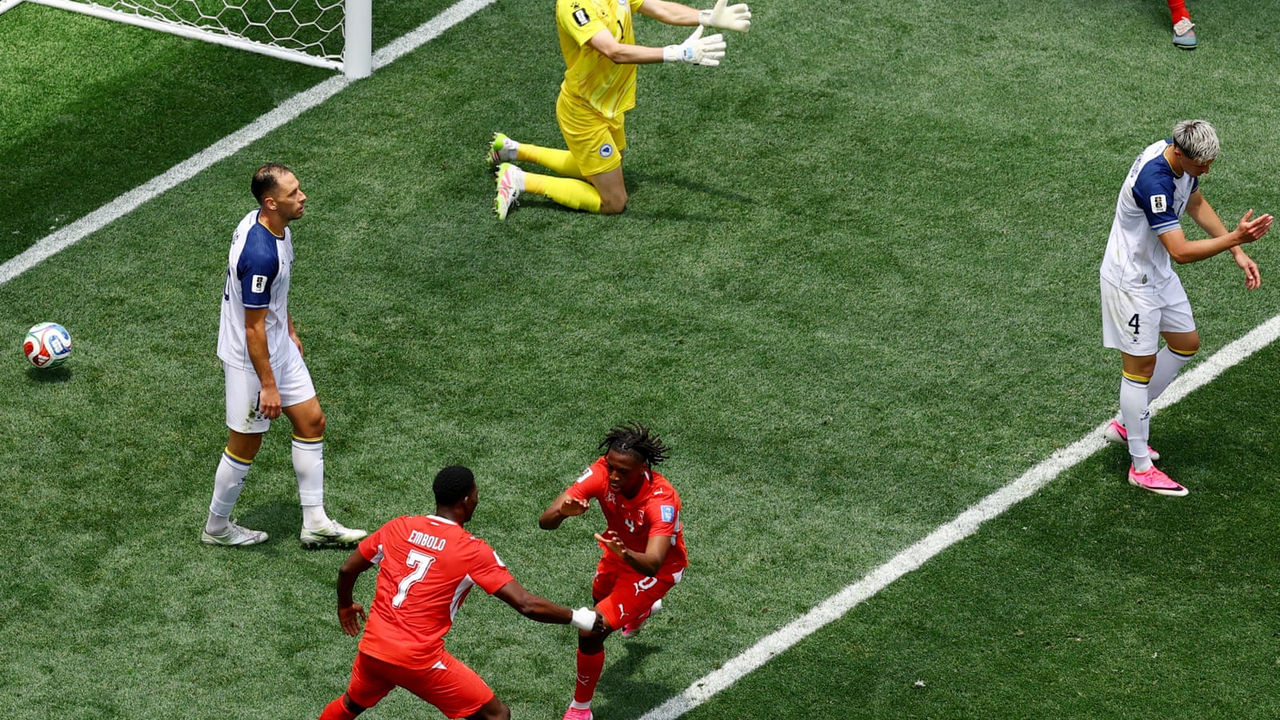
Switzerland needed patience before the scoreline finally reflected their control. For 73 minutes Bosnia and Herzegovina held the match in reach, but Johan Manzambi’s entrance changed the rhythm. The 20-year-old scored twice, Ruben Vargas added another, and Granit Xhaka closed the 4-1 win from the penalty spot.
The result looked heavy by full time, but the path to it was not simple. Switzerland had to use the bench, survive a slow first half and turn a narrow breakthrough into a late surge. Bosnia’s red card after the first goal made the final phase harder for them, yet Switzerland still deserve credit for converting control into goal difference.
Manzambi gives the match a new tempo
Manzambi’s first goal came in the 74th minute and immediately changed the emotional balance of the game. Until then Bosnia had defended with enough discipline to keep Switzerland frustrated. The young forward’s timing, movement and calm finish broke that resistance.
His second goal in the 90th minute turned a close result into a statement. It also gave Switzerland a story beyond the table: a young attacker identified before the tournament as one to watch has now produced a defining World Cup cameo.
Why the late goals matter
Group B may still be decided by fine margins. Canada beat Qatar 6-0 later in the day, so Switzerland’s four-goal burst became more than decoration. Without it, the Swiss would already be chasing a much larger goal-difference gap before facing Canada.
That context makes the final quarter of the match important. Switzerland did not stop at 1-0. They attacked the scoreboard, and that choice protects their route in a group where first place may keep the next knockout assignment more manageable.
Bosnia’s problem after the red card
Bosnia pulled one back through Madzid Sosic’s side, but the match became harder to control after Nihad Muharemovic was dismissed. Down a man and chasing the game, Bosnia had to choose between staying compact and risking space. Switzerland punished the spaces that opened late.
| Area | Detail |
|---|---|
| Result | Switzerland 4-1 Bosnia and Herzegovina |
| Breakthrough | Johan Manzambi scored in the 74th and 90th minutes |
| Turning point | Bosnia lost Nihad Muharemovic to a red card after the opening goal |
| Group effect | Switzerland stayed level with Canada on points but behind on goal difference |
The defeat leaves Bosnia in a difficult position, but not without a lesson. Their structure held for long periods before the match broke. The problem was that once it broke, it broke quickly.
The Canada meeting becomes the real test
Switzerland’s next match against Canada will test whether this late acceleration can survive a quicker opponent. Canada have crowd energy and a six-goal win behind them. Switzerland have Manzambi, Xhaka, Vargas and a bench that just changed a game.
The wider tactical question connects with our World Cup tactical trends: back-three flexibility and late attacking changes have become important weapons in this tournament. Switzerland’s win was a live example of that idea, with the bench turning patient control into a decisive score.
If Switzerland repeat the final 20 minutes against Canada, Group B remains open. If they repeat the first half, they may spend the knockout bracket paying for it.
The bench changed the match without changing the plan
Switzerland did not suddenly become a different team after the break. The structure remained recognisable, but the timing of the runs improved and Bosnia had to defend more actions facing their own goal. Manzambi’s value was that he gave those attacks a final movement rather than another sideways pass.
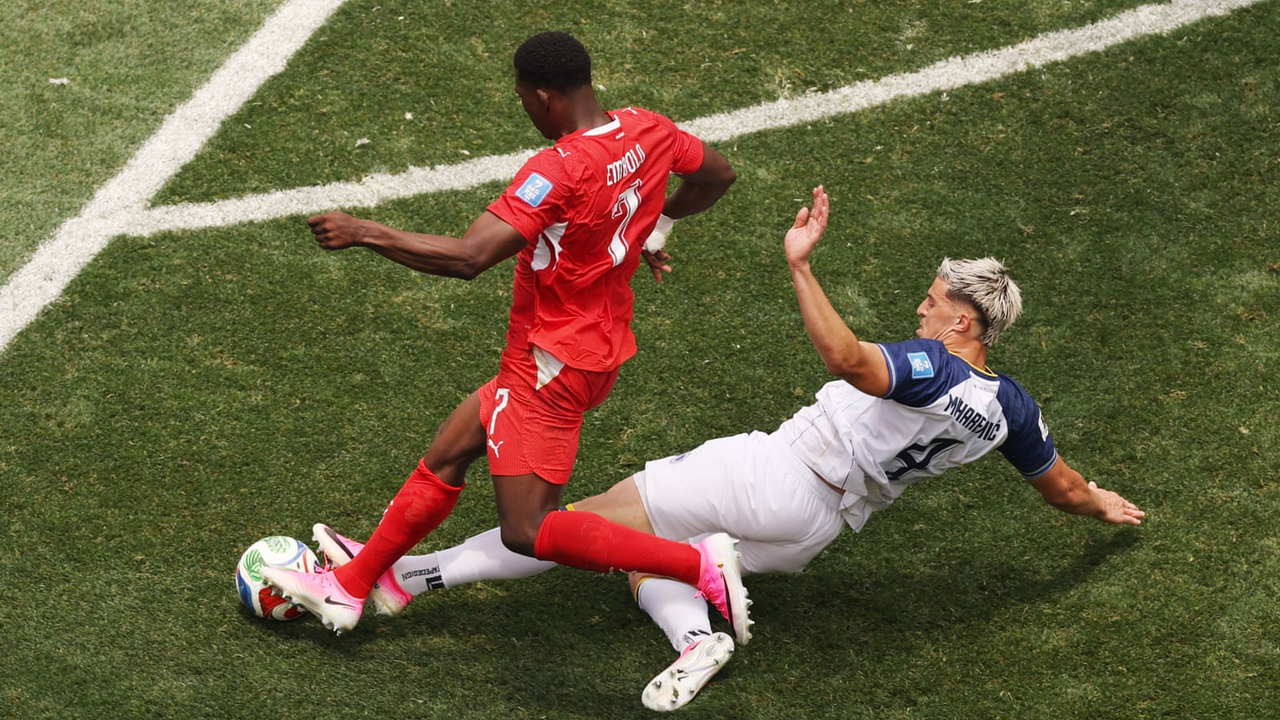
That is a useful tournament trait. Teams rarely get 90 minutes of fluent football in summer conditions, and Switzerland’s first half showed the danger of sterile control. The second half showed the solution: keep the territorial pressure, then add a player who attacks the penalty area before the opponent can reset.
Xhaka’s penalty and the table math
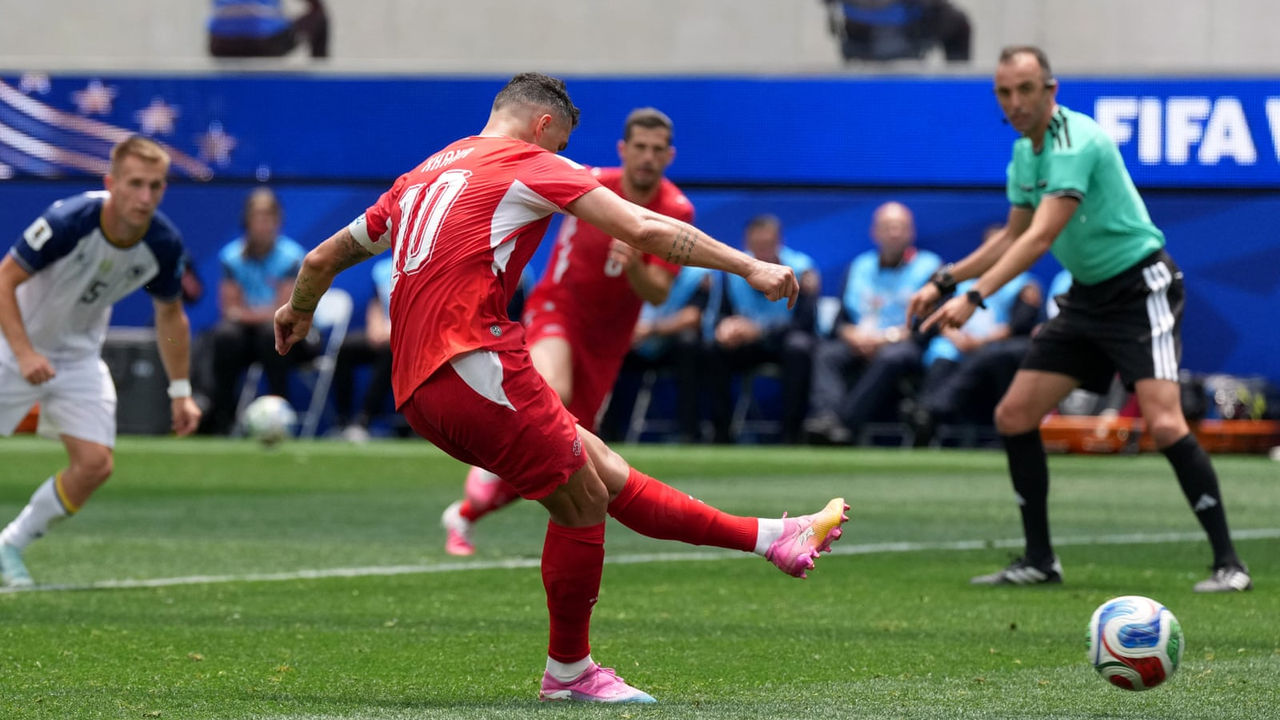
Xhaka’s late penalty looked like the fourth goal of a decided match, but it mattered because Canada had already made goal difference a live race. Switzerland are not chasing qualification alone. They are chasing the cleaner side of the draw. Every late goal gave Murat Yakin’s team a better argument before the direct meeting with Canada.
Vargas and Xhaka keep the old core relevant
Manzambi gave the match its spark, but Switzerland’s senior players still shaped the finish. Vargas added the directness that Bosnia were struggling to contain, while Xhaka’s penalty gave the scoreline a table-friendly finish. The combination of a young substitute and experienced finishers is exactly the balance Switzerland need in a long tournament.
The match also showed why Switzerland rarely disappear from major tournament conversations. They can look ordinary for a long spell and still remain organised enough to benefit when the game finally opens. That patience is not glamorous, but it has become one of their most reliable competitive traits.
Bosnia must protect the next game from frustration
For Bosnia, the danger is emotional carryover. A 4-1 defeat after holding the game for so long can feel heavier than a match that was lost early. The staff now have to separate the useful defensive minutes from the late collapse, because the final group match will require belief as much as tactical adjustment.

Comments
No comments yet — be the first to share your thoughts.