








Netherlands Use Tunisia Win to Repair Group F Momentum

Netherlands Use Tunisia Win to Repair Group F Momentum
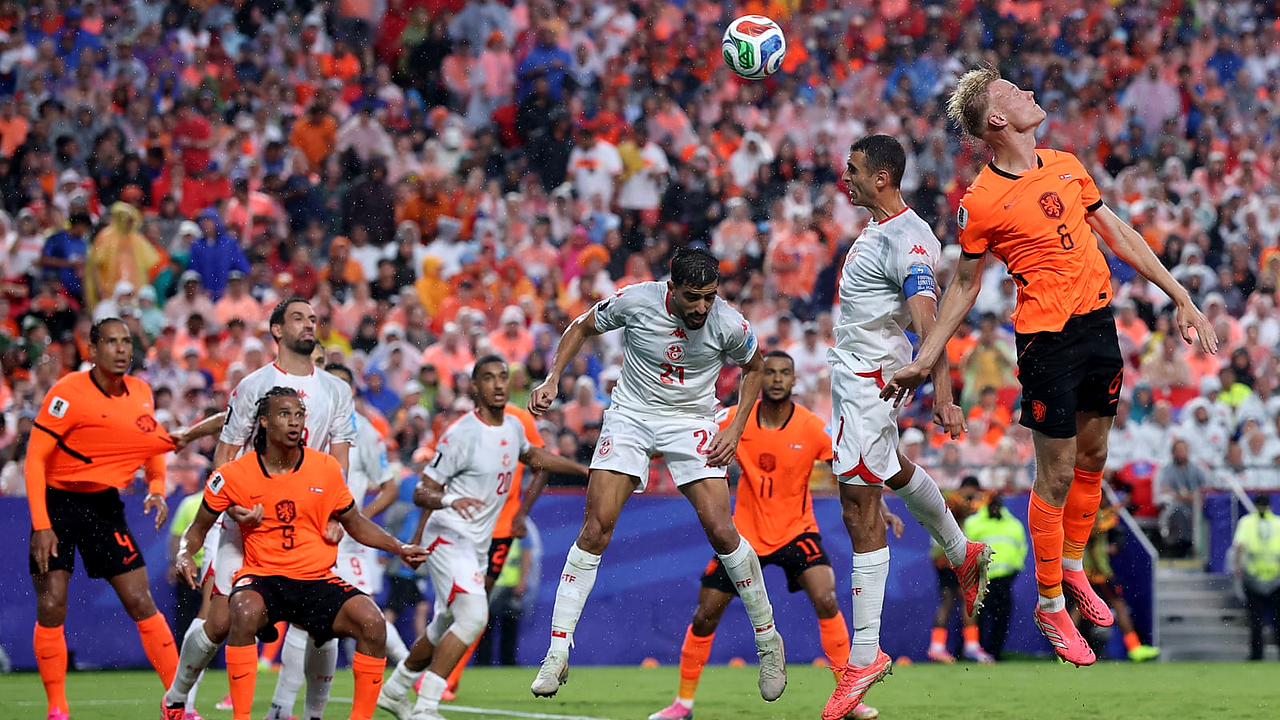
The Netherlands’ 3-1 win over Tunisia gave Group F a clearer Dutch answer after an uneven start to the tournament.
Tunisia had already needed a statement of their own, but the Dutch result pushed the group toward a more familiar hierarchy before the final round.
What changed
The Netherlands beat Tunisia 3-1 in their Group F match.
The result followed the Dutch need to turn attacking volume into a more controlled scoreboard.
Tunisia were left with too much recovery work after conceding control of key phases.
The Dutch attack found enough variety to avoid living only through one side of the pitch.
Where the pressure sits
The match gave the Netherlands a points base that protects them from final-round chaos.
Tunisia still had moments that forced the Dutch defence to defend deeper than planned.
The most important Dutch improvement was the timing of runners arriving around the box.
Tunisia’s midfield had spells of pressure but struggled to turn those spells into clean finishing positions.
Key details
| Area | Detail |
|---|---|
| Result | Netherlands 3-1 Tunisia |
| Group | F |
| Dutch gain | clearer final-round control |
| Tunisia issue | pressure without enough final action |
What comes next
The result affects Sweden and Japan because Group F’s final-day math no longer looks static.
The Dutch bench also gained value because the match required management after the lead arrived.
Tunisia’s tournament now depends on whether they can convert pressure into a sharper final action.
The Netherlands will leave the match with progress, but not with every defensive question closed.
The wider competitive meaning
The football read stays concrete: The Netherlands beat Tunisia 3-1 in their Group F match. That layer is reinforced by one fact: Tunisia still had moments that forced the Dutch defence to defend deeper than planned. A second point matters for Netherlands 3-1 Tunisia: The Dutch bench also gained value because the match required management after the lead arrived. That keeps the next phase tied to evidence rather than noise for Netherlands 3-1 Tunisia; Tunisia still had moments that forced the Dutch defence to defend deeper than planned.
The group-table angle is direct: The result followed the Dutch need to turn attacking volume into a more controlled scoreboard. The same issue becomes clearer through another detail: The most important Dutch improvement was the timing of runners arriving around the box. A second point matters for Netherlands Use Tunisia Win to Repair Group F Momentum: Tunisia’s tournament now depends on whether they can convert pressure into a sharper final action. That is the difference between a useful signal and a loose reading of momentum for Netherlands Use Tunisia Win to Repair Group F Momentum; The most important Dutch improvement was the timing of runners arriving around the box.
For the next ninety minutes, the practical issue is clear: Tunisia were left with too much recovery work after conceding control of key phases. The pressure is visible in a simple passage: Tunisia’s midfield had spells of pressure but struggled to turn those spells into clean finishing positions. A second point matters for clearer final-round control: The Netherlands will leave the match with progress, but not with every defensive question closed. That gives the coming phase a practical measure instead of a vague feeling for clearer final-round control; Tunisia’s midfield had spells of pressure but struggled to turn those spells into clean finishing positions.
The tactical value sits in the detail: The Dutch attack found enough variety to avoid living only through one side of the pitch. The practical value grows around this evidence: The result affects Sweden and Japan because Group F’s final-day math no longer looks static. A second point matters for pressure without enough final action: The win becomes important because it changes a nervous group into a controllable one. That is the part opponents can prepare for and coaches can correct for pressure without enough final action; The result affects Sweden and Japan because Group F’s final-day math no longer looks static.
Final reading
The match situation points to one demand: The match gave the Netherlands a points base that protects them from final-round chaos. The most important comparison comes from one line: The Dutch bench also gained value because the match required management after the lead arrived. A second point matters for Netherlands 3-1 Tunisia: The final round will show whether the 3-1 score was a correction or only a single strong day. That makes the next review depend on repeatable detail rather than reputation for Netherlands 3-1 Tunisia; The Dutch bench also gained value because the match required management after the lead arrived.
The tournament effect is easy to locate: Tunisia still had moments that forced the Dutch defence to defend deeper than planned. The warning sign is easy to isolate: Tunisia’s tournament now depends on whether they can convert pressure into a sharper final action. A second point matters for Netherlands Use Tunisia Win to Repair Group F Momentum: The Netherlands beat Tunisia 3-1 in their Group F match. That is why the focus should stay on the event itself, not only on the headline for Netherlands Use Tunisia Win to Repair Group F Momentum; Tunisia’s tournament now depends on whether they can convert pressure into a sharper final action.
The football read stays concrete: The most important Dutch improvement was the timing of runners arriving around the box. The stronger version of the plan requires proof in this area: The Netherlands will leave the match with progress, but not with every defensive question closed. A second point matters for clearer final-round control: The result followed the Dutch need to turn attacking volume into a more controlled scoreboard. That gives the staff a cleaner way to judge progress under pressure for clearer final-round control; The Netherlands will leave the match with progress, but not with every defensive question closed.
The group-table angle is direct: Tunisia’s midfield had spells of pressure but struggled to turn those spells into clean finishing positions. The late phase will be shaped by this condition: The win becomes important because it changes a nervous group into a controllable one. A second point matters for pressure without enough final action: Tunisia were left with too much recovery work after conceding control of key phases. That keeps the wider table connected to what happened in the decisive moments for pressure without enough final action; The win becomes important because it changes a nervous group into a controllable one.
For the next ninety minutes, the practical issue is clear: The result affects Sweden and Japan because Group F’s final-day math no longer looks static. The clearest test sits in the next detail: The final round will show whether the 3-1 score was a correction or only a single strong day. A second point matters for Netherlands 3-1 Tunisia: The Dutch attack found enough variety to avoid living only through one side of the pitch. That keeps the next phase tied to evidence rather than noise for Netherlands 3-1 Tunisia; The final round will show whether the 3-1 score was a correction or only a single strong day.
The tactical value sits in the detail: The Dutch bench also gained value because the match required management after the lead arrived. The best answer would build on this point: The Netherlands beat Tunisia 3-1 in their Group F match. A second point matters for Netherlands Use Tunisia Win to Repair Group F Momentum: The match gave the Netherlands a points base that protects them from final-round chaos. That is the difference between a useful signal and a loose reading of momentum for Netherlands Use Tunisia Win to Repair Group F Momentum; The Netherlands beat Tunisia 3-1 in their Group F match.

The match situation points to one demand: Tunisia’s tournament now depends on whether they can convert pressure into a sharper final action. The bench or pit-wall choice becomes sharper after this detail: The result followed the Dutch need to turn attacking volume into a more controlled scoreboard. A second point matters for clearer final-round control: Tunisia still had moments that forced the Dutch defence to defend deeper than planned. That gives the coming phase a practical measure instead of a vague feeling for clearer final-round control; The result followed the Dutch need to turn attacking volume into a more controlled scoreboard.
The tournament effect is easy to locate: The Netherlands will leave the match with progress, but not with every defensive question closed. The table gives extra weight to this fact: Tunisia were left with too much recovery work after conceding control of key phases. A second point matters for pressure without enough final action: The most important Dutch improvement was the timing of runners arriving around the box. That is the part opponents can prepare for and coaches can correct for pressure without enough final action; Tunisia were left with too much recovery work after conceding control of key phases.
The football read stays concrete: The win becomes important because it changes a nervous group into a controllable one. That layer is reinforced by one fact: The Dutch attack found enough variety to avoid living only through one side of the pitch. A second point matters for Netherlands 3-1 Tunisia: Tunisia’s midfield had spells of pressure but struggled to turn those spells into clean finishing positions. That makes the next review depend on repeatable detail rather than reputation for Netherlands 3-1 Tunisia; The Dutch attack found enough variety to avoid living only through one side of the pitch.
The group-table angle is direct: The final round will show whether the 3-1 score was a correction or only a single strong day. The same issue becomes clearer through another detail: The match gave the Netherlands a points base that protects them from final-round chaos. A second point matters for Netherlands Use Tunisia Win to Repair Group F Momentum: The result affects Sweden and Japan because Group F’s final-day math no longer looks static. That is why the focus should stay on the event itself, not only on the headline for Netherlands Use Tunisia Win to Repair Group F Momentum; The match gave the Netherlands a points base that protects them from final-round chaos.
In the context of Netherlands Use Tunisia Win to Repair Group F Momentum, the same news cycle also connects with Panama’s Grind Gives England a Warning Before the Group Test and Uruguay and Spain Carry Group H Control Into a Match of Contrasts.
The bottom line: pressure without enough final action remains the clearest measure for the next phase. The reason is clear: the final round will show whether the 3-1 score was a correction or only a single strong day.


Comments
No comments yet — be the first to share your thoughts.