






Panama’s Grind Gives England a Warning Before the Group Test
Panama’s Grind Gives England a Warning Before the Group Test
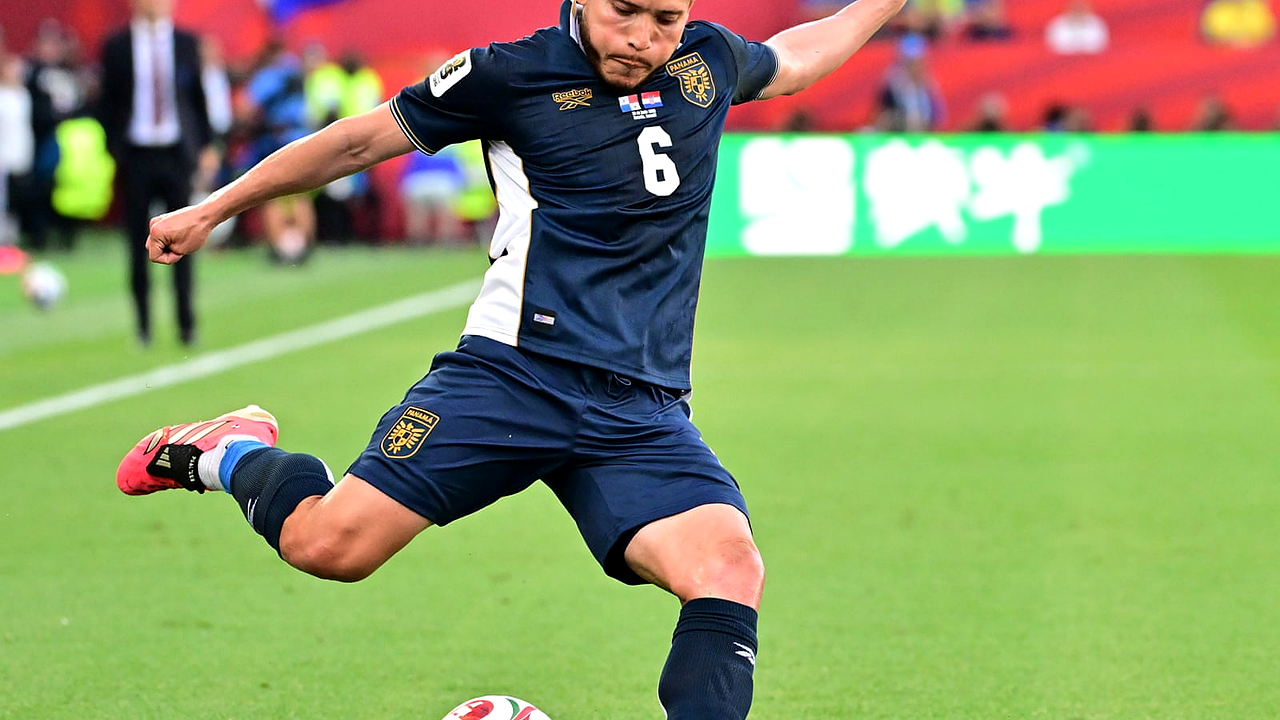
Panama’s scouting report gives England a simple warning: this is not a match that should be treated as a highlight reel waiting to happen.
Panama know how to slow games, contest duels and keep themselves alive long enough for frustration to enter the favourite’s work.
What changed
Panama’s World Cup identity is tied to structure and resilience.
The team can make matches feel uncomfortable by keeping bodies close to the ball.
England must expect contact, delays and long periods when the first pass into the box is blocked.
A game against Panama can become difficult if the favourite loses tempo after missed chances.
Where the pressure sits
The scouting angle matters because England’s next opponent may not give away many clean transition moments.
Panama’s attacking threat often starts from direct balls, second balls and set-piece pressure.
England’s centre-backs need concentration even if they spend long spells near halfway.
The first goal would change Panama’s plan more than it would change England’s.
Key details
| Area | Detail |
|---|---|
| Opponent | Panama |
| Main trait | compact defensive grind |
| England risk | impatience in possession |
| Key area | set-piece and second-ball control |
What comes next
If the match stays level, Panama’s confidence can grow with every cleared cross.
England need to protect rest defence when both full-backs advance.
A measured win would be more valuable than a chaotic performance with the same points.
The match can test whether England’s possession has enough speed and variety.
The wider competitive meaning
The football read stays concrete: Panama’s World Cup identity is tied to structure and resilience. That layer is reinforced by one fact: Panama’s attacking threat often starts from direct balls, second balls and set-piece pressure. A second point matters for Panama: England need to protect rest defence when both full-backs advance. That keeps the next phase tied to evidence rather than noise for Panama; Panama’s attacking threat often starts from direct balls, second balls and set-piece pressure.
The group-table angle is direct: The team can make matches feel uncomfortable by keeping bodies close to the ball. The same issue becomes clearer through another detail: England’s centre-backs need concentration even if they spend long spells near halfway. A second point matters for compact defensive grind: A measured win would be more valuable than a chaotic performance with the same points. That is the difference between a useful signal and a loose reading of momentum for compact defensive grind; England’s centre-backs need concentration even if they spend long spells near halfway.

For the next ninety minutes, the practical issue is clear: England must expect contact, delays and long periods when the first pass into the box is blocked. The pressure is visible in a simple passage: The first goal would change Panama’s plan more than it would change England’s. A second point matters for impatience in possession: The match can test whether England’s possession has enough speed and variety. That gives the coming phase a practical measure instead of a vague feeling for impatience in possession; The first goal would change Panama’s plan more than it would change England’s.
The tactical value sits in the detail: A game against Panama can become difficult if the favourite loses tempo after missed chances. The practical value grows around this evidence: If the match stays level, Panama’s confidence can grow with every cleared cross. A second point matters for set-piece and second-ball control: Panama’s best chance is to make England impatient. That is the part opponents can prepare for and coaches can correct for set-piece and second-ball control; If the match stays level, Panama’s confidence can grow with every cleared cross.
Final reading
The match situation points to one demand: The scouting angle matters because England’s next opponent may not give away many clean transition moments. The most important comparison comes from one line: England need to protect rest defence when both full-backs advance. A second point matters for Panama: The warning is clear: control must become chances, not only territory. That makes the next review depend on repeatable detail rather than reputation for Panama; England need to protect rest defence when both full-backs advance.
The tournament effect is easy to locate: Panama’s attacking threat often starts from direct balls, second balls and set-piece pressure. The warning sign is easy to isolate: A measured win would be more valuable than a chaotic performance with the same points. A second point matters for compact defensive grind: Panama’s World Cup identity is tied to structure and resilience. That is why the focus should stay on the event itself, not only on the headline for compact defensive grind; A measured win would be more valuable than a chaotic performance with the same points.
The football read stays concrete: England’s centre-backs need concentration even if they spend long spells near halfway. The stronger version of the plan requires proof in this area: The match can test whether England’s possession has enough speed and variety. A second point matters for impatience in possession: The team can make matches feel uncomfortable by keeping bodies close to the ball. That gives the staff a cleaner way to judge progress under pressure for impatience in possession; The match can test whether England’s possession has enough speed and variety.

The group-table angle is direct: The first goal would change Panama’s plan more than it would change England’s. The late phase will be shaped by this condition: Panama’s best chance is to make England impatient. A second point matters for set-piece and second-ball control: England must expect contact, delays and long periods when the first pass into the box is blocked. That keeps the wider table connected to what happened in the decisive moments for set-piece and second-ball control; Panama’s best chance is to make England impatient.
For the next ninety minutes, the practical issue is clear: If the match stays level, Panama’s confidence can grow with every cleared cross. The clearest test sits in the next detail: The warning is clear: control must become chances, not only territory. A second point matters for Panama: A game against Panama can become difficult if the favourite loses tempo after missed chances. That keeps the next phase tied to evidence rather than noise for Panama; The warning is clear: control must become chances, not only territory.
The tactical value sits in the detail: England need to protect rest defence when both full-backs advance. The best answer would build on this point: Panama’s World Cup identity is tied to structure and resilience. A second point matters for compact defensive grind: The scouting angle matters because England’s next opponent may not give away many clean transition moments. That is the difference between a useful signal and a loose reading of momentum for compact defensive grind; Panama’s World Cup identity is tied to structure and resilience.
The match situation points to one demand: A measured win would be more valuable than a chaotic performance with the same points. The bench or pit-wall choice becomes sharper after this detail: The team can make matches feel uncomfortable by keeping bodies close to the ball. A second point matters for impatience in possession: Panama’s attacking threat often starts from direct balls, second balls and set-piece pressure. That gives the coming phase a practical measure instead of a vague feeling for impatience in possession; The team can make matches feel uncomfortable by keeping bodies close to the ball.
The tournament effect is easy to locate: The match can test whether England’s possession has enough speed and variety. The table gives extra weight to this fact: England must expect contact, delays and long periods when the first pass into the box is blocked. A second point matters for set-piece and second-ball control: England’s centre-backs need concentration even if they spend long spells near halfway. That is the part opponents can prepare for and coaches can correct for set-piece and second-ball control; England must expect contact, delays and long periods when the first pass into the box is blocked.
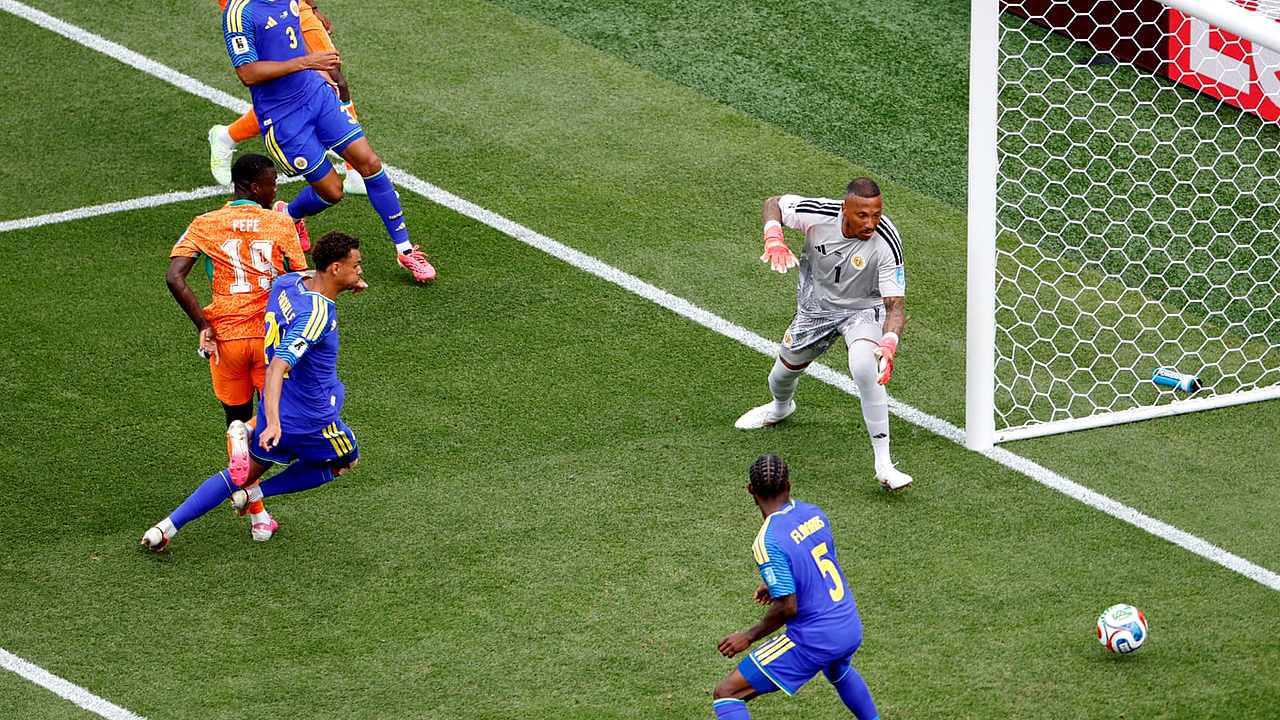
The football read stays concrete: Panama’s best chance is to make England impatient. That layer is reinforced by one fact: A game against Panama can become difficult if the favourite loses tempo after missed chances. A second point matters for Panama: The first goal would change Panama’s plan more than it would change England’s. That makes the next review depend on repeatable detail rather than reputation for Panama; A game against Panama can become difficult if the favourite loses tempo after missed chances.
The group-table angle is direct: The warning is clear: control must become chances, not only territory. The same issue becomes clearer through another detail: The scouting angle matters because England’s next opponent may not give away many clean transition moments. A second point matters for compact defensive grind: If the match stays level, Panama’s confidence can grow with every cleared cross. That is why the focus should stay on the event itself, not only on the headline for compact defensive grind; The scouting angle matters because England’s next opponent may not give away many clean transition moments.
For the next ninety minutes, the practical issue is clear: Panama’s World Cup identity is tied to structure and resilience. The pressure is visible in a simple passage: Panama’s attacking threat often starts from direct balls, second balls and set-piece pressure. A second point matters for impatience in possession: England need to protect rest defence when both full-backs advance. That gives the staff a cleaner way to judge progress under pressure for impatience in possession; Panama’s attacking threat often starts from direct balls, second balls and set-piece pressure.
The tactical value sits in the detail: The team can make matches feel uncomfortable by keeping bodies close to the ball. The practical value grows around this evidence: England’s centre-backs need concentration even if they spend long spells near halfway. A second point matters for set-piece and second-ball control: A measured win would be more valuable than a chaotic performance with the same points. That keeps the wider table connected to what happened in the decisive moments for set-piece and second-ball control; England’s centre-backs need concentration even if they spend long spells near halfway.
In the context of Panama’s Grind Gives England a Warning Before the Group Test, the same news cycle also connects with Cabo Verde and Saudi Arabia Turn Group H Into a Final-Day Route Test and Senegal Put Iraq Under Immediate Survival Pressure in Group I.
The bottom line: set-piece and second-ball control remains the clearest measure for the next phase. The reason is clear: the warning is clear: control must become chances, not only territory.


Comments
No comments yet — be the first to share your thoughts.