








World Cup Knockout Calendar Starts to Squeeze Recovery Windows

World Cup Knockout Calendar Starts to Squeeze Recovery Windows
As more teams confirm Round of 32 places, the World Cup calendar begins to matter almost as much as the opponent list.
The gap between qualification and the first knockout match can change training load, travel planning and how much tactical work a staff can complete.
What the result changes
The Round of 32 field is filling as the final group matches continue. In the opening Knockout-Calendar tournament frame, the coaching question is whether that detail changes the first decision after the break before the headline hardens.
Teams that qualify early gain a planning advantage over sides waiting on third-place results. Seen through the adjustment Calendar-Starts tournament frame, the value sits in how the bench, tempo and risk level are adjusted before the match starts to tilt.
Travel and recovery become part of the competitive equation. The important part of the pressure Starts-Squeeze tournament frame is not the label on the result, but the practical choice it leaves for the next staff meeting.
A team that wins a group may still face a physically awkward turnaround. Within the bench Squeeze-Recovery tournament frame, the smallest correction can decide whether a side protects the route or spends the next match repairing it.
Where the pressure sits
Medical staff now have to manage players who are carrying minor issues from the group stage. The useful evidence in the calendar Recovery-Windows tournament frame is the way one sequence changes pressing height, substitution timing and confidence.
Coaches must decide whether to hold a full session or focus on recovery and video work. For the recovery Windows-Knockout tournament frame, the next opponent receives a clearer preparation note and the current team loses some room for vagueness.
Opponents can change late when third-place rankings settle. The lesson from the tempo Knockout-Calendar tournament frame becomes serious because a 48-team tournament turns ordinary margins into bracket information.
That uncertainty makes flexible preparation more valuable than a single fixed plan. That is why the selection Calendar-Starts tournament frame needs a recovery-game-state reading before the first response after momentum moves.
Key details
| Area | Detail |
|---|---|
| Phase | Round of 32 preparation |
| Main pressure | recovery windows |
| Hidden variable | late opponent confirmation |
| Staff task | balance training, travel and freshness |
What comes next
The bracket also changes substitution planning in final group games. Inside the late Starts-Squeeze tournament frame, patience only remains useful if the team can turn it into a shot, a clearance or a controlled restart.
A side already through still has to protect rhythm before the knockout stage. The final value of the bracket Squeeze-Recovery tournament frame will be tested when fatigue arrives and the same decision has to be made faster.
The World Cup now moves from group survival into detail management. In the risk Recovery-Windows tournament frame, the coaching question is whether that detail changes the first decision after the break before the headline hardens.
The best teams will treat the schedule as part of the opponent. Seen through the control Windows-Knockout tournament frame, the value sits in how the bench, tempo and risk level are adjusted before the match starts to tilt.
What comes next: Knockout
Inside the opening Knockout-Calendar tournament frame, Knockout links ‘filling as the final group matches continue.’ with ‘A team that wins a group may’; that reading reshapes substitution timing, late risk and how carefully the final table is guarded.
Inside the adjustment Calendar-Starts tournament frame, Calendar links ‘advantage over sides waiting on third-place results.’ with ‘Medical staff now have to manage players’; the bench discussion now separates patient circulation from quicker forward pressure before the bracket narrows.
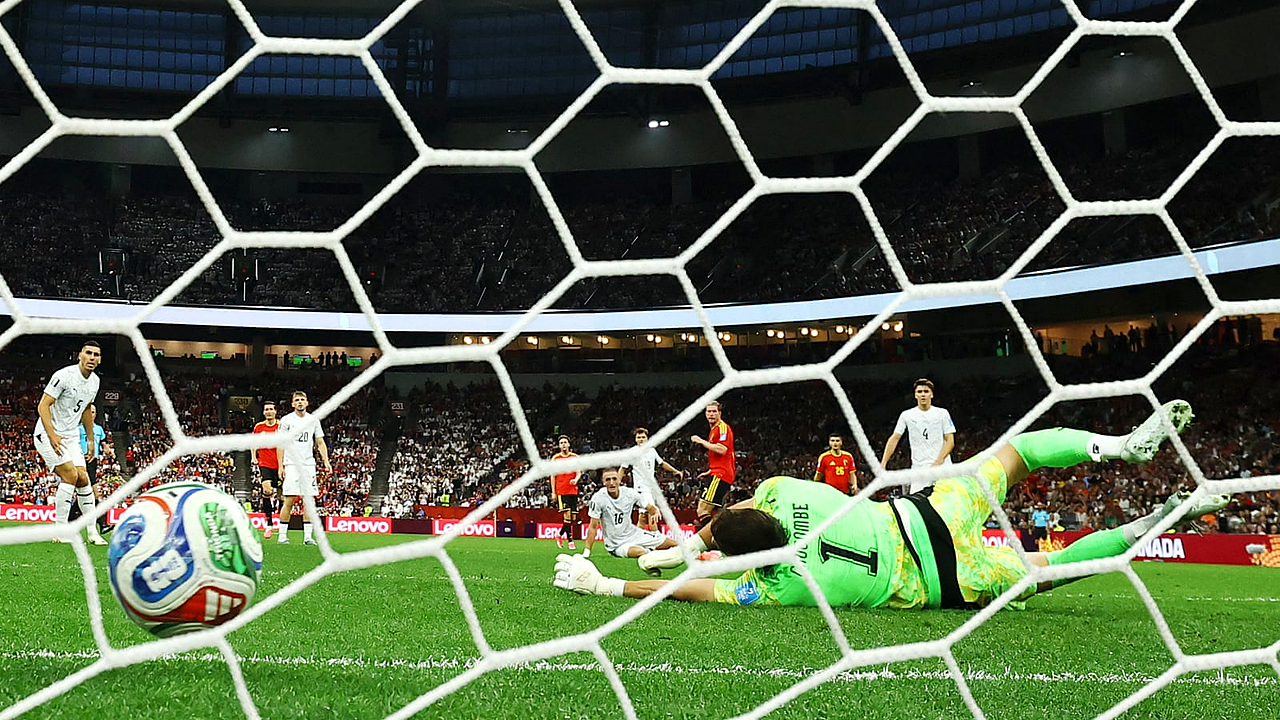
Inside the pressure Starts-Squeeze tournament frame, Starts links ‘recovery become part of the competitive equation.’ with ‘Coaches must decide whether to hold a’; the key is the first five-minute spell after momentum changes, when the match either calms or breaks open.
Inside the bench Squeeze-Recovery tournament frame, Squeeze links ‘may still face a physically awkward turnaround.’ with ‘Opponents can change late when third-place rankings’; one detail can send the following fixture into a confident start or a repair-heavy opening phase.
What comes next: Recovery
Inside the calendar Recovery-Windows tournament frame, Recovery links ‘carrying minor issues from the group stage.’ with ‘That uncertainty makes flexible preparation more valuable’; a loose ninety minutes will not be rescued by reputation once the standings become unforgiving.
Inside the recovery Windows-Knockout tournament frame, Windows links ‘or focus on recovery and video work.’ with ‘The bracket also changes substitution planning in’; the smarter response keeps scoreboard logic attached to the tactical plan while the surrounding noise rises.
Inside the tempo Knockout-Calendar tournament frame, Knockout links ‘can change late when third-place rankings settle.’ with ‘A side already through still has to’; tournament control appears when possession, restarts and defensive reactions support the same idea.
Inside the selection Calendar-Starts tournament frame, Calendar links ‘more valuable than a single fixed plan.’ with ‘The World Cup now moves from group’; future opponents can prepare for the pattern, which makes variation part of the answer.
What comes next: Starts
Inside the late Starts-Squeeze tournament frame, Starts links ‘changes substitution planning in final group games.’ with ‘The best teams will treat the schedule’; a repeated weakness would make the bracket harsher long before the final whistle.
Inside the bracket Squeeze-Recovery tournament frame, Squeeze links ‘to protect rhythm before the knockout stage.’ with ‘As more teams confirm Round of 32’; a repeated strength would turn the group-stage evidence into knockout preparation material.
Inside the risk Recovery-Windows tournament frame, Recovery links ‘moves from group survival into detail management.’ with ‘The gap between qualification and the first’; that reading reshapes substitution timing, late risk and how carefully the final table is guarded.
Inside the control Windows-Knockout tournament frame, Windows links ‘the schedule as part of the opponent.’ with ‘The Round of 32 field is filling’; the bench discussion now separates patient circulation from quicker forward pressure before the bracket narrows.
What comes next: Knockout
Inside the closing Knockout-Calendar tournament frame, Knockout links ‘almost as much as the opponent list.’ with ‘Teams that qualify early gain a planning’; the key is the first five-minute spell after momentum changes, when the match either calms or breaks open.
Inside the detail Calendar-Starts tournament frame, Calendar links ‘much tactical work a staff can complete.’ with ‘Travel and recovery become part of the’; one detail can send the following fixture into a confident start or a repair-heavy opening phase.
Inside the route Starts-Squeeze tournament frame, Starts links ‘filling as the final group matches continue.’ with ‘A team that wins a group may’; a loose ninety minutes will not be rescued by reputation once the standings become unforgiving.
Final read
The final measure around the pressure Starts-Squeeze tournament frame is execution. The coming stage has to prove that the information gathered here becomes a cleaner decision under pressure, not only a note from another busy tournament day.


Comments
No comments yet — be the first to share your thoughts.