













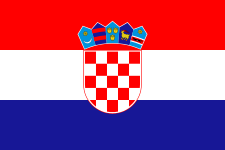


Portugal and Croatia Put Veteran Control Into a Knockout Collision

Portugal and Croatia Put Veteran Control Into a Knockout Collision
Portugal and Croatia meet in the round of 32 with two veteran reference points, Cristiano Ronaldo and Luka Modric, sitting inside very different team questions.
The match is not only a nostalgia frame. Portugal need better attacking balance after the Colombia draw, while Croatia carry the confidence of a late set-piece winner against Ghana.
How the match turned
Portugal finished second in Group K after a goalless draw with Colombia.
Croatia secured second in Group L by beating Ghana 2-1.
Ronaldo’s full-match role became a selection debate before the knockout stage.
Where the pressure sits
Modric’s corner created Croatia’s late winner and another World Cup record.
Portugal must decide whether to speed the attack around Ronaldo or keep the same penalty-box reference.
Croatia need midfield patience without allowing Portugal easy counterattacks.
Key details
| Area | Detail |
|---|---|
| Fixture | Portugal vs Croatia |
| Portugal issue | attacking freshness |
| Croatia issue | control around Modric |
| Likely separator | set pieces and late-game management |
What the next round has to answer
Set pieces may become a major separator because both teams have veteran delivery and aerial targets.
The tie will test whether experience still creates control when legs and recovery windows are short.
Why the detail matters
Portugal finished second in Group K after a goalless draw with Colombia; the next training block has to protect late-game management once the opponent increases the tempo; that sends the next match toward late-game management, where one loose possession can change the route.
Croatia need midfield patience without allowing Portugal easy counterattacks; attacking freshness changes the way the team guards space after possession is lost; the first goal can hide problems, so the side still has to defend the final-third pass without panic.
The croatia issue marker, control around Modric, points toward set-piece coverage and the decisions after the first turnover; the score is not enough; set-piece coverage has to stay organised when the opponent changes tempo.
Modric’s corner created Croatia’s late winner and another World Cup record; the next match will care less about reputation and more about whether rest-defence shape holds under pressure; the team that protects that area first can make set pieces and late-game management feel like a real advantage rather than a fragile note.

Set pieces may become a major separator because both teams have veteran delivery and aerial targets; the scoreline matters only if it is tied to substitution timing and the habits behind it; a knockout opponent will read those details quickly when the game moves into longer spells without the ball.
If the first 20 minutes stays stable, attacking freshness can travel into the next round; if it breaks, the advantage disappears quickly; that detail can decide whether confidence travels into the bracket or the match becomes a repair job.
Set pieces may become a major separator because both teams have veteran delivery and aerial targets; knockout football leaves fewer recovery moments after the first mistake; if the match slows, midfield spacing becomes the place where patience either produces control or disappears.
The tie will test whether experience still creates control when legs and recovery windows are short; in that setting, counter-pressing after turnovers can turn a difficult passage into a controlled spell; selection then becomes about connected roles rather than names alone under pressure.
Portugal finished second in Group K after a goalless draw with Colombia; the next training block has to protect wide pressing once the opponent increases the tempo; that sends the next match toward wide pressing, where one loose possession can change the route.
Croatia need midfield patience without allowing Portugal easy counterattacks; attacking freshness changes the way the team guards space after possession is lost; the first goal can hide problems, so the side still has to defend defensive transitions without panic.
The croatia issue marker, control around Modric, points toward late-game management and the decisions after the first turnover; the score is not enough; late-game management has to stay organised when the opponent changes tempo.
Modric’s corner created Croatia’s late winner and another World Cup record; the next match will care less about reputation and more about whether the final-third pass holds under pressure; the team that protects that area first can make set pieces and late-game management feel like a real advantage rather than a fragile note.

Set pieces may become a major separator because both teams have veteran delivery and aerial targets; the scoreline matters only if it is tied to set-piece coverage and the habits behind it; a knockout opponent will read those details quickly when the game moves into longer spells without the ball.
If rest-defence shape stays stable, attacking freshness can travel into the next round; if it breaks, the advantage disappears quickly; that detail can decide whether confidence travels into the bracket or the match becomes a repair job.
Set pieces may become a major separator because both teams have veteran delivery and aerial targets; knockout football leaves fewer recovery moments after the first mistake; if the match slows, substitution timing becomes the place where patience either produces control or disappears.
The tie will test whether experience still creates control when legs and recovery windows are short; in that setting, the first 20 minutes can turn a difficult passage into a controlled spell; selection then becomes about connected roles rather than names alone under pressure.
Portugal finished second in Group K after a goalless draw with Colombia; the next training block has to protect midfield spacing once the opponent increases the tempo; that sends the next match toward midfield spacing, where one loose possession can change the route.
Croatia need midfield patience without allowing Portugal easy counterattacks; attacking freshness changes the way the team guards space after possession is lost; the first goal can hide problems, so the side still has to defend counter-pressing after turnovers without panic.
The croatia issue marker, control around Modric, points toward wide pressing and the decisions after the first turnover; the score is not enough; wide pressing has to stay organised when the opponent changes tempo.

Modric’s corner created Croatia’s late winner and another World Cup record; the next match will care less about reputation and more about whether defensive transitions holds under pressure; the team that protects that area first can make set pieces and late-game management feel like a real advantage rather than a fragile note.
Set pieces may become a major separator because both teams have veteran delivery and aerial targets; the scoreline matters only if it is tied to late-game management and the habits behind it; a knockout opponent will read those details quickly when the game moves into longer spells without the ball.
If the final-third pass stays stable, attacking freshness can travel into the next round; if it breaks, the advantage disappears quickly; that detail can decide whether confidence travels into the bracket or the match becomes a repair job.
Set pieces may become a major separator because both teams have veteran delivery and aerial targets; knockout football leaves fewer recovery moments after the first mistake; if the match slows, set-piece coverage becomes the place where patience either produces control or disappears.
The tie will test whether experience still creates control when legs and recovery windows are short; in that setting, rest-defence shape can turn a difficult passage into a controlled spell; selection then becomes about connected roles rather than names alone under pressure.
Portugal finished second in Group K after a goalless draw with Colombia; the next training block has to protect substitution timing once the opponent increases the tempo; that sends the next match toward substitution timing, where one loose possession can change the route.
Final reading
Portugal and Croatia both know how to slow a knockout match without losing belief. The difference may come from which veteran influence is supported better: Ronaldo needs service that arrives early, while Modric needs runners who make his control count before legs begin to fade.


Comments
No comments yet — be the first to share your thoughts.